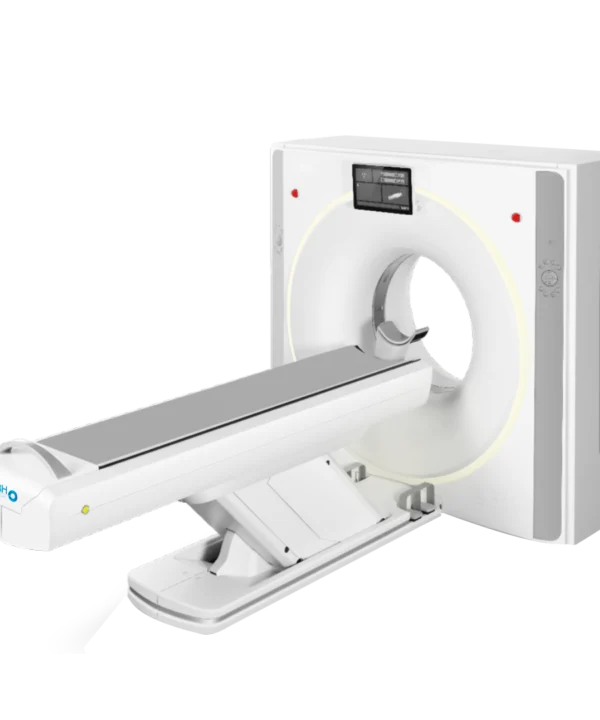
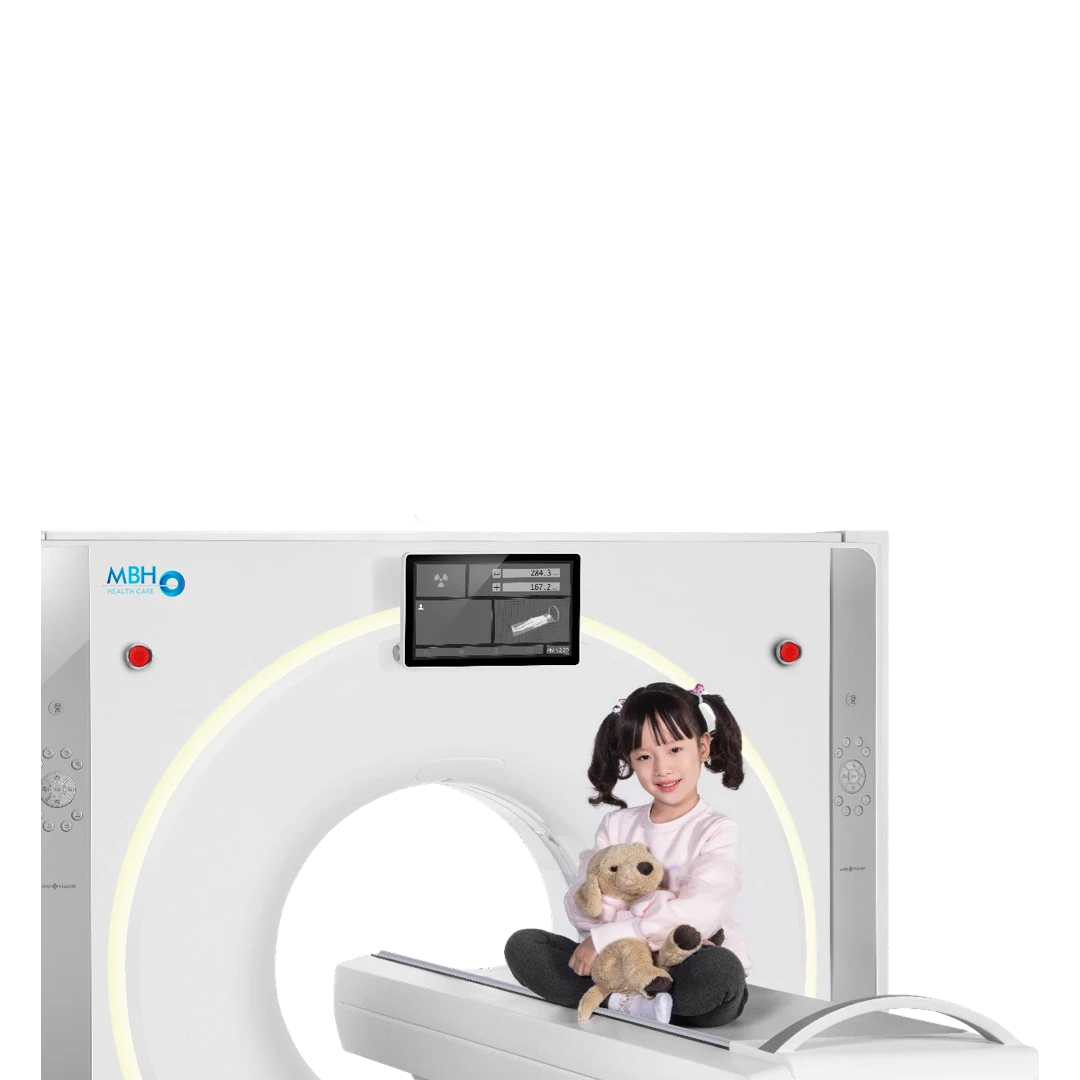
Large 75 cm gantry aperture design, which not only meets the requirements of conventional scanning but also provides enhanced comfort for radiotherapy and interventional procedures.
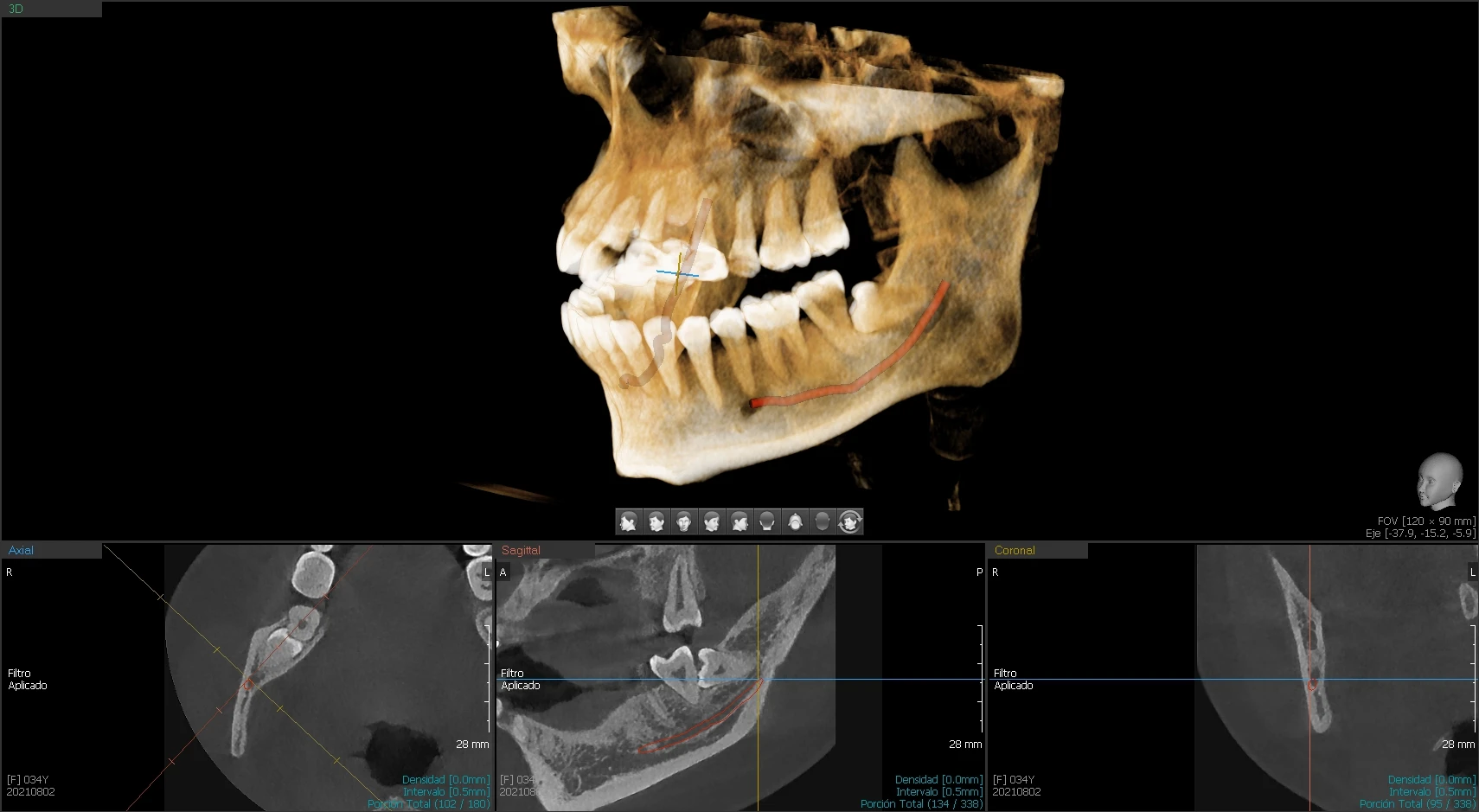
V-pixel detector design collects sufficient data to accurately reconstruct the true anatomical structure.
32-Slice CT Scanner
FEATURES
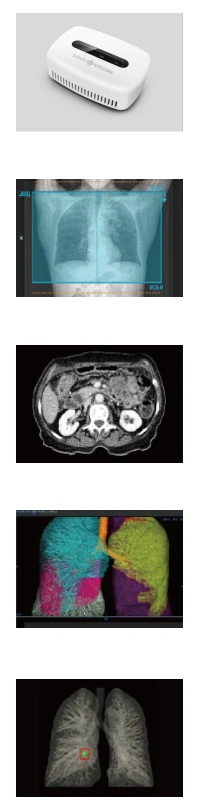
3D Vision Camera(Optional)
Fully intelligent imaging chain
75 cm large bore design
Patented V-Pixel detector
Intelligent Positioning
Automatic and precise identification of scanning ranges for head, neck, chest, abdomen, and pelvis.
Intelligent Scanning
Examination table height automatically adjusts to the optimal scanning position.
Improves scanning accuracy.
Easy to learn and operate.
Intelligent Reconstruction
Enhances image resolution.
Improves image detail.
Reduces image noise and radiation dose.
Intelligent Post-Processing
Automatic recognition of organs and lesions.
Segmentation capabilities.
Measurement and follow-up analysis.
Intelligent Diagnosis
Early COVID-19 detection.
Automatic lung nodule detection and follow-up.
Pulmonary emphysema evaluation.
Improves diagnostic efficiency and confidence.
Patient-Friendly Design
Spacious enough for overweight patients.
Ideal solution for claustrophobic patients.
Suitable for daily scanning and routine CT examinations.